
Last updated: December 2025
When you've poured your heart into writing a novel and start dreaming of seeing it come to life on screen, one of your first questions is likely about timing. How long does screenplay adaptation take - and what can you realistically expect from the process?
The honest answer is two weeks for a first draft. That's what we typically deliver for our clients - a complete, professionally formatted screenplay ready for your review within fourteen days of starting work on your project.
But let's be clear about what this timeline means and what factors influence the adaptation process.
Understanding the Two-Week Timeline
Two weeks might sound surprisingly fast if you've spent months or years writing your novel. The difference lies in the nature of the work involved. Your novel already contains all the essential story elements - characters, plot, dialogue, and dramatic structure. The adaptation process involves translating these elements into screenplay format rather than creating them from scratch.
During those two weeks, your adapter will be:
- Identifying the core dramatic beats of your story
- Restructuring scenes for visual storytelling
- Converting narrative prose into action lines and dialogue
- Ensuring proper screenplay formatting throughout
- Making necessary cuts and adjustments for pacing
This intensive process requires complete focus on your project. Your novel receives dedicated attention during this period, with the adapter working through your story methodically to capture its essence in screenplay form.
What Influences Screenplay Adaptation Duration
Several factors can affect how long your specific project might take, even within our standard two-week framework.
Novel Length and Complexity
A 200-page contemporary romance with a straightforward plot structure adapts more quickly than an 800-page fantasy epic with multiple storylines. Complex narratives require more careful consideration of which elements to retain, modify, or streamline for the screen.
Your novel's structure also matters. Books written in a linear, cinematic style translate more directly than those using experimental narrative techniques or multiple timelines.
Genre Considerations
Certain genres present unique adaptation challenges that can influence timing. Science fiction and fantasy novels often require careful handling of world-building elements that work on the page but need visual representation on screen. Historical fiction might need research to ensure period accuracy in the screenplay format.
Contemporary fiction typically adapts most smoothly, as the settings and situations translate directly to modern film production.
Dialogue Density
Novels heavy in dialogue often adapt more quickly than those relying primarily on internal monologue or descriptive passages. When characters already speak naturally in your book, less conversion work is needed.
Books with extensive internal thoughts require more creative adaptation to externalise character emotions and motivations through action and dialogue.
The Professional Adaptation Process
Understanding what happens during those two weeks helps set realistic expectations for your project.
Initial Analysis Phase
The first few days involve thoroughly reading and analysing your novel. Your adapter identifies key scenes, character arcs, and dramatic moments that will form the screenplay's foundation. This analysis phase is crucial - rushing here leads to problems later.
During this stage, major structural decisions are made about what to include, what to modify, and what might need to be condensed or removed entirely.
Scene Construction
The middle portion of the timeline focuses on building individual scenes. Each scene in your novel is evaluated for its contribution to the overall story and translated into proper screenplay format.
INT. SARAH'S KITCHEN - MORNING

Sarah stands at the sink, coffee mug trembling in her hands. Through the window, she watches Tom's car disappear around the corner.
This kind of scene construction requires balancing visual storytelling with emotional content from your original work.
Revision and Polish
The final days involve reviewing the complete screenplay for consistency, pacing, and format. This isn't about rewriting - it's about ensuring the adaptation serves your story effectively and meets industry standards.
Setting Realistic Expectations
Two weeks produces a first draft - a complete, professional screenplay that captures your story's essence. This isn't the final version you'd send to producers. Like your novel probably went through several drafts, screenplays benefit from revision based on feedback and further development.
What you'll receive after two weeks is a solid foundation for your screenplay that demonstrates your story's visual potential. Many authors use this first draft to gauge interest from industry contacts or to understand how their work translates to screen format.
The turnaround time also allows you to maintain momentum if you're considering multiple projects or exploring various adaptation options.
Why Speed Matters in Adaptation
You might wonder why adaptation timing matters when you're not working under a production deadline. The reality is that quick turnaround serves several practical purposes.
First, it keeps your story fresh in mind while you're still excited about the screen potential. Waiting months for an adaptation can diminish your enthusiasm and make it harder to evaluate the results effectively.
Second, faster completion allows you to explore opportunities sooner. Whether you're approaching agents, entering screenplay competitions, or simply wanting to understand your story's visual appeal, having a completed adaptation opens doors.
Finally, efficient adaptation demonstrates professionalism. If opportunities do arise, you'll have material ready rather than asking potential contacts to wait while work begins.
Moving Forward with Your Adaptation
Now that you understand the realistic timeline for screenplay adaptation, you can plan accordingly. Two weeks from start to finish means you could have a complete first draft of your screenplay by the end of this month.
Your novel represents years of creative work and deserves professional adaptation that honours your vision while translating effectively to screen format. The process doesn't need to take months or years - with focused, experienced attention, your story can come alive in screenplay form within a fortnight.
Ready to explore how your specific project might work as a screenplay? Every novel presents unique adaptation opportunities and challenges. Contact us to discuss your story and discover how it could translate to screen format.
Written by
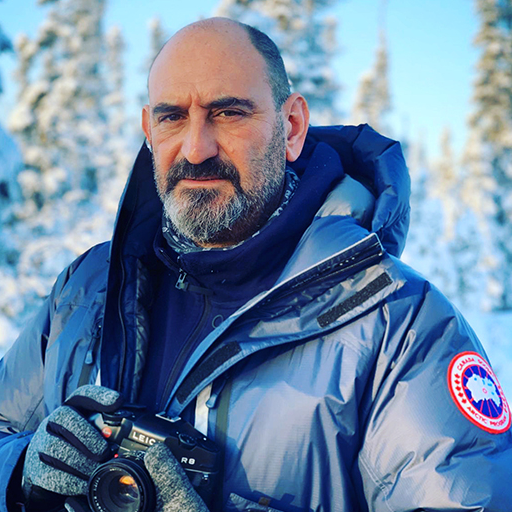
Dan Bernard
Dan is the founder of Tricorn Books, helping more than 300 independent and self-published authors bring their stories to life. With a background in publishing and screenwriting as well as creative design and photography, he brings first-hand experience to every adaptation project at Tricorn Books.
Related Articles
Summer 2026 Offer
Try us risk free
Submit your manuscript to us and we'll convert a selected chapter or scene into a screenplay, completely free of charge.
No catch or obligation, just a chance to see what we can do before you commit to a full adaptation.
Contact UsSummer 2026: Free chapter conversion - no obligation
Claim Free Sample