Last updated: December 2025
The film industry's hunger for compelling science fiction content has never been stronger. From Marvel's cosmic epics to intimate time-travel narratives, studios actively seek fresh sci-fi stories that can captivate global audiences. For self-published authors working in this genre, science fiction screenplay adaptation represents a golden opportunity to transform your written work into visual storytelling gold.
But why does science fiction translate so beautifully from page to screen? The answer lies in the genre's inherent visual nature and its ability to explore universal themes through extraordinary circumstances.
The Visual Language of Science Fiction
Science fiction authors naturally think in cinematic terms. When you describe a sprawling space station or the interior of a time machine, you're already crafting visual blueprints. Your readers form mental images of alien landscapes, futuristic technology, and otherworldly creatures - exactly what screenwriters and directors need to create compelling cinema.
Consider how effortlessly your written descriptions translate to screenplay format:
INT. COLONY SHIP BRIDGE - DAY

Captain SARAH CHEN (40s) stands before a vast viewport displaying the swirling colours of a nebula. Holographic displays float around her, showing ship diagnostics in alien script.
That single scene, adapted from your novel's descriptive passage, immediately establishes setting, character, and the story's sci-fi elements. The visual richness you've already created in prose becomes the foundation for stunning cinematic moments.
World-Building Advantages
Your detailed world-building work - the societies, technologies, and physical environments you've crafted - provides screenwriters with comprehensive source material. Studios value this depth because it reduces development time and ensures story consistency. They're not starting from scratch; they're working with a fully-realised universe that audiences can believe in.
High-Concept Stories That Sell
Science fiction excels at high-concept storytelling - narratives that can be summed up in a single, compelling sentence. "What if artificial intelligence achieved consciousness?" "What happens when time travel creates paradoxes?" These concepts immediately grab attention in pitch meetings and marketing campaigns.
Your sci-fi novel likely explores one or more high-concept premises that producers recognise as commercially viable. The genre's built-in "what if" scenarios create natural dramatic tension and provide clear hooks for audiences. This makes science fiction screenplay adaptation particularly attractive to film financiers who need to explain projects to investors quickly and memorably.
Universal Themes Through Fantastic Elements
The best science fiction uses futuristic or alien elements to examine deeply human concerns. Your story about colonising Mars might actually explore themes of environmental responsibility. Your tale of first contact with aliens could be examining prejudice and fear of the other. These universal themes give adapted screenplays emotional weight that resonates with mainstream audiences, not just genre fans.
Market Demand and Commercial Viability
Current market trends strongly favour science fiction content. Streaming platforms compete fiercely for genre programming, whilst cinemas rely on sci-fi spectacles to draw audiences. This demand creates opportunities for authors whose novels might have found modest readership but contain elements perfect for visual adaptation.
The international appeal of science fiction also matters enormously. Visual spectacle and universal themes translate across cultures more easily than dialogue-heavy dramas. This global marketability makes studios more willing to invest in sci-fi projects, including those adapted from self-published novels.
Technology Making Sci-Fi More Accessible
Advanced CGI and digital effects have made previously impossible sci-fi concepts achievable on screen. The alien worlds and futuristic technologies you've imagined are no longer budget-prohibitive. Mid-budget sci-fi films regularly feature production values that would have required blockbuster financing just a decade ago.
This technological advancement means your story doesn't need to be the next Star Wars to attract producer interest. Intimate sci-fi tales with modest special effects requirements often find eager audiences and reasonable production budgets.
Structural Advantages for Adaptation
Science fiction stories often follow clear three-act structures that translate naturally to screenplay format. Your protagonist faces an inciting incident (alien contact, time anomaly, technological breakthrough), struggles through escalating complications, and reaches a climactic resolution. This inherent structure makes the adaptation process more straightforward than literary fiction that might meander through internal character development.
The genre also tends to feature external conflict and action sequences that translate beautifully to screen. Whilst literary fiction might focus on internal monologue and subtle character interactions, sci-fi provides visual set pieces, chase sequences, and spectacular confrontations that audiences expect from cinema.
Character Archetypes That Work
Science fiction characters often embody clear archetypes - the brilliant scientist, the reluctant hero, the artificial intelligence gaining humanity. These recognisable character types provide actors and directors with strong foundations whilst offering opportunities for fresh interpretation. Your unique take on familiar archetypes can surprise audiences whilst remaining accessible to them.
The Creative Partnership Potential
Unlike adaptations of historical fiction or contemporary drama, science fiction screenplay adaptation offers unique collaborative possibilities. Directors and production designers can contribute visual ideas that enhance your original concepts. The adaptation process becomes a creative partnership where your foundational world-building supports and inspires new artistic interpretations.
Many successful sci-fi adaptations involve authors closely in the development process. Your expertise in the story's scientific concepts, world logic, and character motivations becomes invaluable during screenplay development. This involvement can lead to producer or consultant credits, additional income streams, and ongoing professional relationships within the industry.
Your Science Fiction Success Story Awaits
The entertainment industry's appetite for compelling science fiction shows no signs of diminishing. Your self-published novel contains the seeds of visual storytelling that could captivate global audiences. The unique blend of spectacular elements, universal themes, and commercial viability that defines great sci-fi makes your work particularly suitable for screenplay adaptation.
Whether your story explores distant futures, parallel dimensions, or the consequences of scientific discovery, it likely contains the high-concept elements and visual richness that producers actively seek. The question isn't whether science fiction adapts well to screen - it's whether you're ready to explore the possibilities your story offers.
Ready to discover how your science fiction novel could translate to screenplay format? Let's discuss your specific project and explore the adaptation possibilities that could transform your written work into compelling visual storytelling. Contact us at info@tricornbooks.co.uk to begin this exciting creative collaboration.
Written by
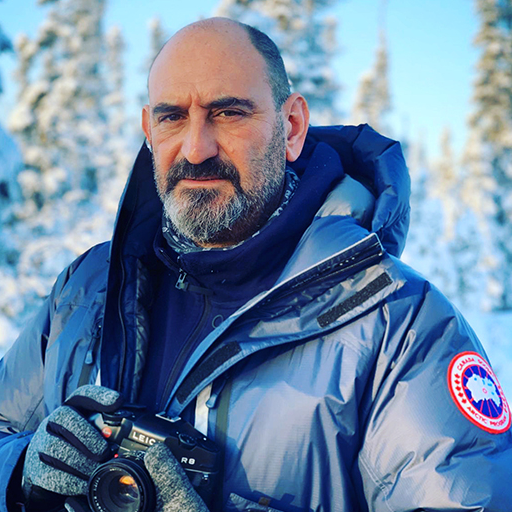
Dan Bernard
Dan is the founder of Tricorn Books, helping more than 300 independent and self-published authors bring their stories to life. With a background in publishing and screenwriting as well as creative design and photography, he brings first-hand experience to every adaptation project at Tricorn Books.
Related Articles
Summer 2026 Offer
Try us risk free
Submit your manuscript to us and we'll convert a selected chapter or scene into a screenplay, completely free of charge.
No catch or obligation, just a chance to see what we can do before you commit to a full adaptation.
Contact UsSummer 2026: Free chapter conversion - no obligation
Claim Free Sample